Sangiran
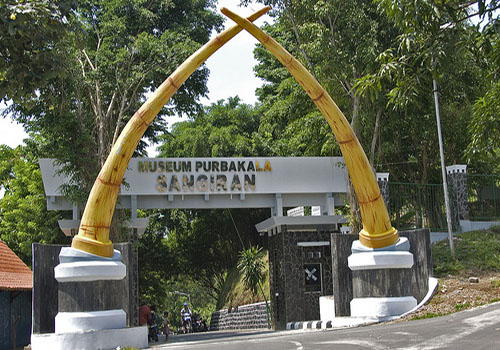
Sangiran is located 15 km from Surakarta. It is a village located 17 Km north of Solo, on the road to Purwodadi. It is an important place for Pithecanthropus Erectus, the pre-historic Java man. It is fossilized land of prehistoric living things. The Pleistocene Museum keeps some skills of the erectus, fossils of plants and animals. Sangiran and other places such as Wajak (near Tulungangung) and Trinil (near Ngawi) are significant places for human evolution/theory. It is interesting place for scientific tourism in the field of geology, anthropology and archeology. Many experts came to this site to do some research and study among other; Van Es (1939), Duyfyes (1936), Van Bemmelen (1937), Van Koeningswald (1938), Sartono (1960), Suradi (1962) and Otto Sudarmaji (1976). Van Koeningswald said that more than five different types of hominoid fossils have been found in Sangiran, it was incredible. There is no other place in the world like Sangiran. The Sangiran fossils are very various, they were earth as well as sea fossils. There was a possibility that island of Java was erected from the bottom of sea million years ago.
In 1891, Eugene Dubois, a French anthropologist discovered fossils of Pithecanthropus Erectus, the oldest Java man known. Again in 1930 and 1931, Ngandong Village, Trinil-Mojokerto, was marked with the discovery of fossils of a man that belonged to the Pleistocene Period. It revealed human history from many centuries ago. Prof. Dr. Van Koenigswald in 1936 found more evidence about human evolution. He discovered some fossils that support the theory of human growth from an ape-man to be man as we are now. Other fossils including those of mammoths (prehistoric elephant) are now preserved in the Bandung Geological Museum. In mid 1980, the finding of a complete 4 m tall elephant startled scientists. Nowadays, the villagers of Sangiran are making souvenirs from stones such as statues, axes, eggs, rings, etc to promote tourism.

Indonesia’s Heritage Collection: Van Der Wijck Fort -Kebumen
One of the many Dutch heritage forts, Van Der Wijck Fort is unique because the entire building is made of red brick. You’ve seen? This fort with an octagonal plan looks more charming with its red color, compared to Dutch forts which are generally colorless or white. It looks like the fort from the front and inside uses red bricks, but still with the characteristics of a Dutch fort in Indonesia which has a large building structure, such as windows, doors and rooms. With an area of 3606,625 square meters,…
10 Most Unique Tourist Villages in Magelang, Makes You Don’t Want to Go Home
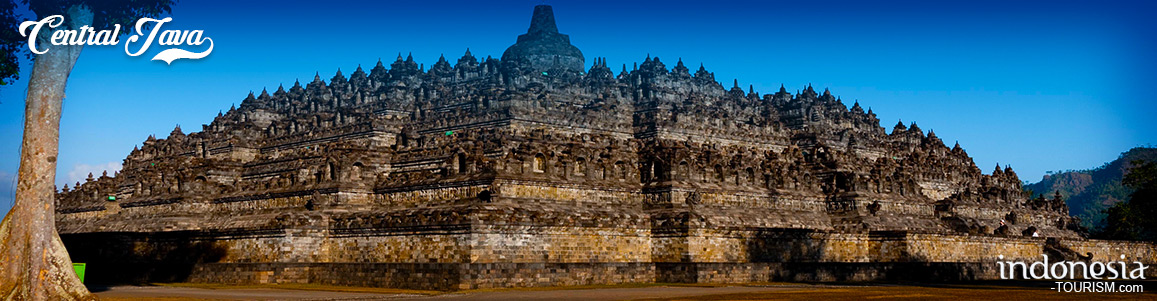
Magelang has a number of temples as the favorite tourist destinations. Besides Borobudur, you can visit several other places, such as tourist villages. There are several tourist villages around Borobudur Temple with a unique and interesting atmosphere. In addition to saving nature, you can also get to know the culture behind it. Temanggung VillageTemanggung Village was viral because it was called Nepal van Java. The view of the village at the foot of Mount Sumbing is really epic. Tanjungsari VillageIf you are interested in the process of making honey, you…
Amazing Tourist Destinations in Jepara, Central Java
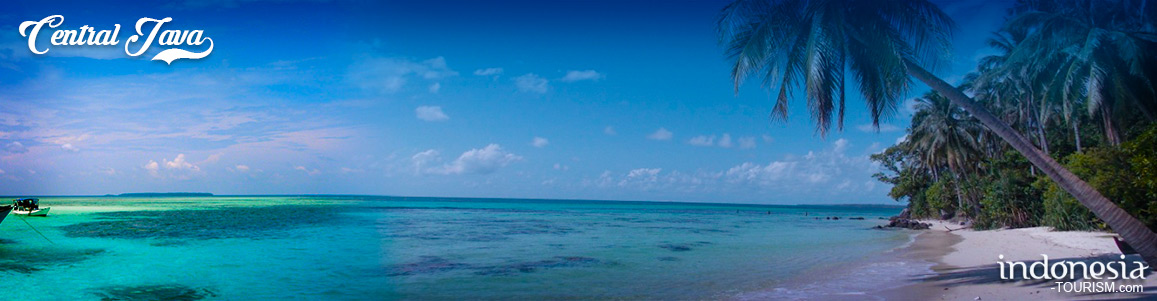
Punuk Sapi BeachPunuk Sapi Beach is also popularly known as Pantai Lemah Abang which means “red land beach”. It is named so because this beach is indeed filled with mounds to hills with red soil that at first glance looks like a cow’s hump (punuk sapi is cow’s hump in English). This beach has black sand, but it is also beautiful like the white sand beaches. There are hammocks and swings that you can use to relax, as well as take pictures from a height. This beach is located in…
Arjuna Temple, A Relic of Hindu in the Ancient Mataram Kingdom
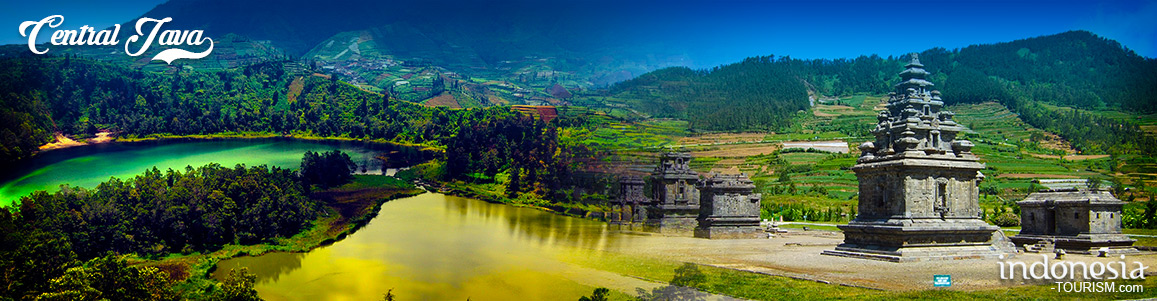
Arjuna Temple complex is the most photographed and visited of the surviving temples on the Dieng Plateau. Situated just a few hundred meter from the homestays in Dieng village, they are an obvious first stop on a tour of the sights in the area. Though they are far from the most imposing of Javanese temples, they are the earliest surviving Hindu temples in Central Java, so they are of great importance historically. Built a century or two before the great temples around Yogyakarta and Magelang, they mark the original phase…