Bengawan Solo River
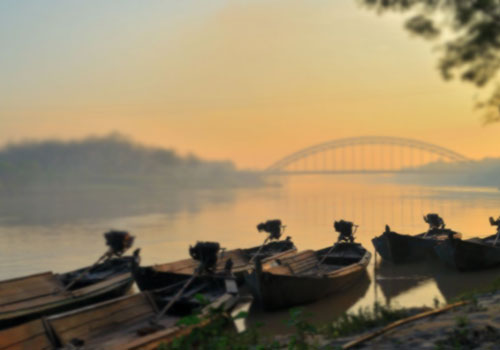
This longest river in Java flows along the eastern edge of the town from its source in the lime stones hill of the south, near East Java border to its mouth nearby Surabaya, on the Java sea. Regretfully, the river is now shallow it is not navigable anymore. But in the past it was an important link between Solo and the north cost of East Java. It length is 600 km flowing in 2 provinces which are Central Java Province and East Java Province with the irrigation width 16.000 km2, was the biggest and the main river basin area. It rises on the slope of Mount Lawu volcano (10,712 feet [3,265 m]) and the southern limestone range (Sewu Mountains) and flows north, then east to discharge into the Java Sea at a point opposite Madura Island, northwest of Surabaya. In recent 30 years development of irrigation facility at the Bengawan Solo river area have reach a significant level of development. This was mark by the completed of irrigation building, which still in progress or even have been built such as reservoir, dam, dike, irrigation net, and others. Investment have been spent to reach this development level is very big. Those buildings have functions as a flood controller, Hydraulic Power Generator, water supply for farming, industry, drink water, fishery, and others.
There is a well-known song 'Bengawan Solo' composed by Mr. Gesang. In the central Javanese city of Solo, a statue of Gesang Martohartono looks over the gently flowing Bengawan Solo, or Solo River. It was the famous Indonesian singer-songwriter Gesang, who composed the celebrated Indonesian melody "Bengawan Solo" during World War II -- when the country was under Japanese occupation. The song describes the legendary river in a poetic and nostalgic way, that it is surrounded by mountains, its sources are near the city of Surakarta, that it ends in the sea, and that the merchant class always makes use of it. It is in the local Keroncong style, a popular folk style with influences from Portuguese. The Japanese, who occupied the country during World War II, brought the song with them to Japan after returning from the war. There, and also in the rest of Asia and later worldwide, the song became very famous.

Indonesia’s Heritage Collection: Van Der Wijck Fort -Kebumen
One of the many Dutch heritage forts, Van Der Wijck Fort is unique because the entire building is made of red brick. You’ve seen? This fort with an octagonal plan looks more charming with its red color, compared to Dutch forts which are generally colorless or white. It looks like the fort from the front and inside uses red bricks, but still with the characteristics of a Dutch fort in Indonesia which has a large building structure, such as windows, doors and rooms. With an area of 3606,625 square meters,…
10 Most Unique Tourist Villages in Magelang, Makes You Don’t Want to Go Home
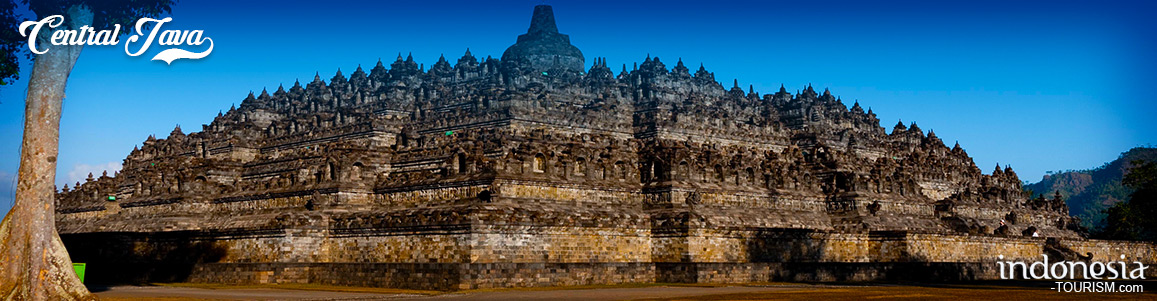
Magelang has a number of temples as the favorite tourist destinations. Besides Borobudur, you can visit several other places, such as tourist villages. There are several tourist villages around Borobudur Temple with a unique and interesting atmosphere. In addition to saving nature, you can also get to know the culture behind it. Temanggung VillageTemanggung Village was viral because it was called Nepal van Java. The view of the village at the foot of Mount Sumbing is really epic. Tanjungsari VillageIf you are interested in the process of making honey, you…
Amazing Tourist Destinations in Jepara, Central Java
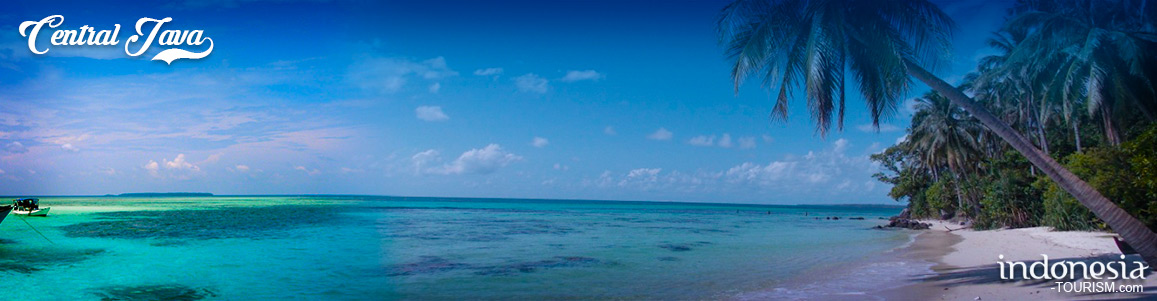
Punuk Sapi BeachPunuk Sapi Beach is also popularly known as Pantai Lemah Abang which means “red land beach”. It is named so because this beach is indeed filled with mounds to hills with red soil that at first glance looks like a cow’s hump (punuk sapi is cow’s hump in English). This beach has black sand, but it is also beautiful like the white sand beaches. There are hammocks and swings that you can use to relax, as well as take pictures from a height. This beach is located in…
Arjuna Temple, A Relic of Hindu in the Ancient Mataram Kingdom
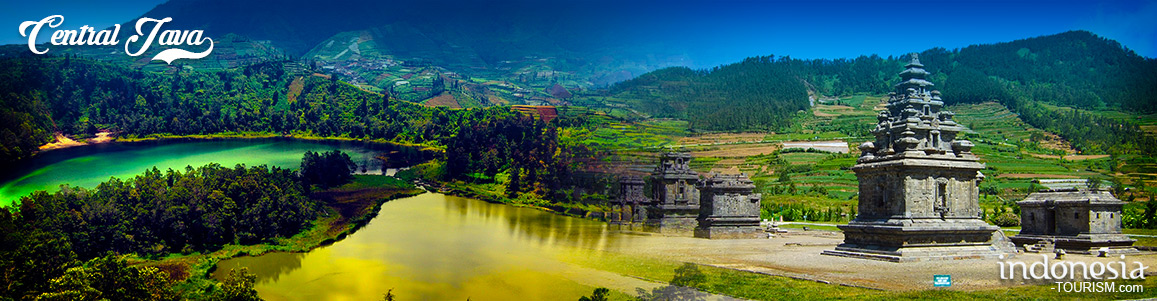
Arjuna Temple complex is the most photographed and visited of the surviving temples on the Dieng Plateau. Situated just a few hundred meter from the homestays in Dieng village, they are an obvious first stop on a tour of the sights in the area. Though they are far from the most imposing of Javanese temples, they are the earliest surviving Hindu temples in Central Java, so they are of great importance historically. Built a century or two before the great temples around Yogyakarta and Magelang, they mark the original phase…